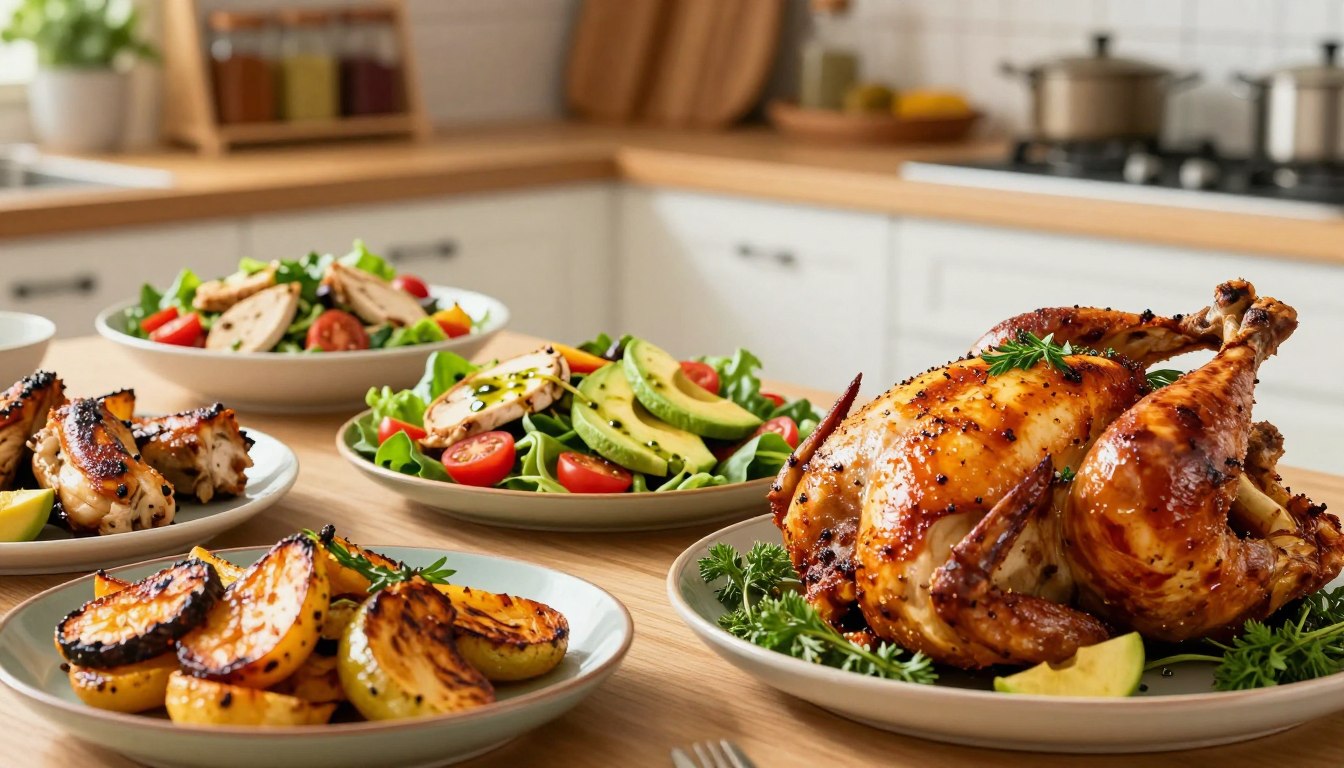
Finding a balance between health and taste often feels like a challenge in the kitchen. However, poultry remains a top choice for families across the United States because it adapts to any flavor profile. Whether you prefer spicy, sweet, or savory notes, the versatility of this lean protein is unmatched.
Preparing homemade chicken recipes allows you to control the ingredients and keep your meals nutritious. From quick weeknight dinners to elegant Sunday roasts, the possibilities are truly endless. You can easily transform basic pantry staples into gourmet experiences that satisfy everyone at the table.

Mastering a few simple techniques will help you create the best chicken dishes without spending hours over a stove. Focusing on fresh herbs and vibrant vegetables ensures every bite is packed with vitamins and minerals. Let’s explore how you can elevate your culinary skills with these flavorful ideas.
Key Takeaways
- Discover the versatility of poultry in global cuisines.
- Focus on lean protein for healthy weight management.
- Utilize fresh herbs to enhance flavor without extra salt.
- Implement time-saving preparation tips for busy weeknights.
- Learn techniques to maintain moisture and tenderness in meat.
- Balance your main course with nutritious vegetable side dishes.
Why Chicken Is the Perfect Protein for Every Meal
The nutritional benefits of chicken, combined with its ease of preparation, make it a perfect protein for every meal. Chicken is an excellent source of protein, essential for muscle repair and growth. It is also rich in various vitamins and minerals, such as niacin, vitamin B6, and selenium, which play crucial roles in maintaining overall health.

High Protein Content: Chicken is particularly noted for its high protein content. Protein is a vital nutrient that helps in building and repairing tissues in the body. It is also important for producing enzymes, hormones, and other bodily chemicals. A diet rich in protein can help with weight management by reducing hunger and increasing metabolism.
Versatility in Cooking: Another reason chicken is considered a perfect protein is its versatility. It can be cooked in numerous ways – grilled, roasted, sautéed, or baked. This versatility makes it easy to incorporate into a variety of dishes, from salads and sandwiches to main courses and soups. Whether you’re looking for a quick weeknight dinner or a centerpiece for a special occasion, chicken is a great choice.
Chicken is also a good option for those looking to manage their fat intake. While some cuts of chicken, like the thigh, can be higher in fat, others, such as the breast, are very lean. By choosing the right cut and cooking method, you can enjoy chicken as part of a low-fat diet. Additionally, chicken can be paired with a wide range of vegetables and whole grains to create balanced and nutritious meals.
In summary, chicken’s high nutritional value, coupled with its culinary flexibility, makes it an ideal protein for any meal. Whether you’re focusing on health, flavor, or convenience, chicken is a versatile ingredient that can meet a variety of dietary needs and preferences.
Choosing the Right Chicken: Organic vs. Free-Range Options
For those looking to make informed decisions about their poultry purchases, distinguishing between organic and free-range chicken is essential. The labels ‘organic’ and ‘free-range’ are often associated with higher quality and more humane farming practices, but the specifics can be unclear.
When shopping for chicken, consumers are faced with a variety of labels that can be confusing. Understanding what these labels mean can help in making a choice that aligns with personal values and dietary preferences.

Understanding Organic Chicken Standards
Organic chicken is raised according to strict standards that dictate how the birds are raised, fed, and processed. Organic farming practices prohibit the use of antibiotics, hormones, and genetically modified organisms (GMOs). This means that organic chicken is produced without the use of synthetic pesticides or fertilizers on the feed crops.
The organic label ensures that the chicken is raised with access to the outdoors, although the amount of outdoor access can vary. Organic chicken farms must also follow specific guidelines regarding animal welfare, including providing adequate space for the birds to roam.
Benefits of Free-Range Chicken
Free-range chicken, on the other hand, is defined by the amount of access the birds have to the outdoors. While there’s no specific requirement for the quality or size of the outdoor area, free-range chickens are generally considered to have better living conditions than those raised in confinement.
Free-range chicken is often praised for its potentially better welfare conditions and the perceived improvement in the quality and taste of the meat. However, the term ‘free-range’ can be somewhat misleading as it doesn’t necessarily imply that the chickens spend a significant amount of time outdoors.
What to Look for When Buying Quality Poultry
When purchasing chicken, whether organic or free-range, there are several factors to consider to ensure you’re getting a quality product. Look for labels that provide clear information about the farming practices used, such as ‘Certified Organic’ or ‘Animal Welfare Approved.’
Additionally, consider the reputation of the brand or farm. Some producers may provide more detailed information about their practices on their websites or through customer service channels. Checking for third-party certifications can also assure the quality and ethical standards of the poultry.
Nutritional Benefits of Adding Chicken to Your Diet
With its high protein content and array of essential vitamins and minerals, chicken is a valuable addition to a healthy diet. Incorporating chicken into your meals can provide numerous health benefits, from supporting muscle health to aiding in weight management.
High Protein Content for Muscle Health
Chicken is renowned for its high protein content, making it an excellent food for muscle health. Protein is essential for building and repairing muscles, particularly after exercise. A 3-ounce serving of cooked chicken breast contains about 26 grams of protein, making it one of the highest protein-containing foods.
As noted by a nutrition expert, “Protein-rich foods like chicken are crucial for muscle recovery and growth, especially for individuals engaged in regular physical activity.” Ensuring adequate protein intake is vital for maintaining muscle mass and overall muscle health.
Essential Vitamins and Minerals in Chicken
Besides its high protein content, chicken is also a good source of various essential vitamins and minerals. It is particularly rich in niacin, vitamin B6, and selenium, which play critical roles in energy metabolism, brain function, and antioxidant defenses.
- Niacin (Vitamin B3) is important for converting food into energy.
- Vitamin B6 is involved in many processes in the body, including brain function and the formation of red blood cells.
- Selenium acts as an antioxidant, protecting cells from damage.
Low-Fat Chicken Cuts for Weight Management
For those managing their weight, opting for low-fat chicken cuts can be beneficial. Chicken breast is one of the leanest cuts, with less than 3 grams of fat per 3-ounce serving. Removing the skin from chicken also significantly reduces its fat content.
As part of a balanced diet, low-fat chicken can help in maintaining a healthy weight. According to dietary guidelines, choosing lean protein sources like chicken can support weight loss and maintenance efforts.
“Lean proteins like chicken are fundamental in a weight management diet, providing the necessary nutrients without excessive calories.”
Essential Techniques for Cooking Chicken Perfectly Every Time
The key to cooking chicken perfectly lies in understanding the essential techniques involved. Cooking chicken is not just about following a recipe; it’s about mastering the methods that ensure your chicken dishes are always delicious and safe to eat.
Safe Internal Temperatures and Food Safety Guidelines
One of the most critical aspects of cooking chicken is achieving a safe internal temperature to prevent foodborne illnesses. The USDA recommends cooking chicken to an internal temperature of at least 165°F (74°C). Using a meat thermometer is the most accurate way to ensure your chicken has reached this temperature.
Safe Internal Temperatures for Different Chicken Cuts:
| Chicken Cut | Safe Internal Temperature |
|---|---|
| Breast | 165°F (74°C) |
| Thighs | 165°F (74°C) |
| Drumsticks | 165°F (74°C) |
| Whole Chicken | 165°F (74°C) |
Marinating Methods for Maximum Flavor
Marinating is a great way to add flavor to your chicken. The acid in marinades, such as lemon juice or vinegar, helps break down the proteins, making the chicken more tender. You can marinate chicken in the refrigerator for anywhere from 30 minutes to several hours or overnight for a more intense flavor.
Tips for Effective Marinating:
- Use a non-reactive container, such as glass or stainless steel.
- Keep the chicken refrigerated during marinating.
- Don’t over-marinate; acidity can make the chicken mushy if left for too long.
Tips for Keeping Chicken Moist and Tender
Keeping chicken moist and tender involves a combination of proper cooking techniques and preparation. Brining, or soaking the chicken in a saltwater solution before cooking, can help retain moisture. Additionally, cooking methods like baking or grilling with a cover can prevent drying out.
By mastering these essential techniques, you’ll be able to cook chicken perfectly every time, ensuring your dishes are not only delicious but also safe to eat.
Best Grilled Chicken Recipes for Outdoor Cooking
Grilled chicken is a staple of outdoor cooking, offering a versatile canvas for a variety of flavors and marinades. Whether you’re a seasoned grill master or just starting to explore the world of outdoor cooking, these recipes are sure to impress. From classic herb-marinated chicken breast to spicy grilled thighs and Mediterranean-style skewers, there’s something for every taste and occasion.
Classic Herb-Marinated Grilled Chicken Breast
A simple yet flavorful recipe, classic herb-marinated grilled chicken breast is perfect for any summer gathering. The key to this dish is a well-balanced marinade that complements the natural flavors of the chicken without overpowering it.
To make this recipe, you’ll need:
- 4 boneless, skinless chicken breasts
- 1/4 cup olive oil
- 2 cloves garlic, minced
- 2 tbsp chopped fresh rosemary
- 1 tsp salt
- 1/2 tsp black pepper
Combine the marinade ingredients in a bowl and mix well. Place the chicken breasts in a large ziplock bag, pour in the marinade, and refrigerate for at least 2 hours or overnight. Grill the chicken over medium-high heat until it reaches an internal temperature of 165°F.
“The secret to a great grilled chicken is in the marinade. A good marinade can elevate the flavor and tenderize the meat, making it a true showstopper at any outdoor gathering.”
Chef John Smith
Spicy Grilled Chicken Thighs with Lime and Cilantro
For those who like a bit of heat, spicy grilled chicken thighs with lime and cilantro are a great option. This recipe combines the richness of chicken thighs with the brightness of lime juice and the freshness of cilantro.
| Ingredient | Quantity |
|---|---|
| Chicken thighs | 4-6 |
| Lime juice | 2 tbsp |
| Cilantro | 1/4 cup chopped |
| Jalapeño peppers | 2, sliced |
| Garlic | 2 cloves, mined |
Marinate the chicken thighs in a mixture of lime juice, chopped cilantro, sliced jalapeños, and garlic for at least 30 minutes. Grill over medium-high heat until the chicken is cooked through and slightly charred.
Mediterranean Grilled Chicken Skewers with Vegetables
Mediterranean grilled chicken skewers with vegetables offer a colorful and flavorful twist on traditional grilled chicken. This recipe is perfect for a healthy and easy meal that’s packed with protein and vegetables.
To make this recipe, alternate chicken breast pieces with vegetables like cherry tomatoes, bell peppers, and onions on skewers. Brush with olive oil and season with salt, pepper, and your favorite Mediterranean herbs. Grill over medium heat until the chicken is cooked through and the vegetables are tender.
Tips for Grilling: To ensure that your grilled chicken is moist and flavorful, make sure to not overcrowd the grill, and keep an eye on the temperature to prevent burning.
Flavorful Roasted Chicken Dishes for Family Dinners
When it comes to family dinners, few dishes are as satisfying as a well-cooked roasted chicken. Roasted chicken is a versatile and delicious option that can be prepared in numerous ways to suit any taste. In this section, we’ll explore three mouth-watering roasted chicken recipes perfect for family gatherings.
Lemon Garlic Whole Roasted Chicken
A classic recipe that never goes out of style is the lemon garlic whole roasted chicken. This dish is infused with the bright flavors of lemon and the richness of garlic, making it a crowd-pleaser. To prepare, simply rub a whole chicken with a mixture of minced garlic, lemon zest, lemon juice, olive oil, salt, and pepper, then roast in the oven until golden brown.
Tips for the perfect roast: Ensure the chicken is patted dry before seasoning to achieve crispy skin, and let it rest for 10-15 minutes before carving to keep the meat juicy.
Sheet Pan Roasted Chicken with Seasonal Vegetables
For a sheet pan roasted chicken with seasonal vegetables, you can customize the vegetables according to what’s fresh and available. This one-pan meal is not only convenient but also allows the flavors of the chicken and vegetables to meld together beautifully. Toss your choice of vegetables (such as carrots, Brussels sprouts, and potatoes) with olive oil, salt, and pepper, and arrange them around the chicken on a sheet pan.
Herb-Crusted Roasted Chicken Thighs with Rosemary
Herb-crusted roasted chicken thighs with rosemary offer a flavorful twist on traditional roasted chicken. By coating chicken thighs with a mixture of chopped rosemary, garlic, breadcrumbs, parmesan cheese, and olive oil, you create a crispy exterior that complements the tender meat inside. This recipe is perfect for those who love the aroma and taste of herbs in their roasted chicken.
- Preheat the oven to 425°F (220°C).
- Mix the herb crust ingredients in a bowl.
- Coat the chicken thighs evenly with the herb mixture.
- Roast in the oven until the chicken is cooked through and the crust is golden brown.
Quick and Easy Weeknight Chicken Meals Under 30 Minutes
Transform your weeknight dinners with our collection of fast and flavorful chicken recipes that can be prepared in under 30 minutes. These meals are perfect for busy families or individuals looking for healthy and delicious options without spending too much time in the kitchen.
One-Pan Chicken Stir-Fry with Fresh Vegetables
A one-pan chicken stir-fry is a quick and nutritious meal that can be customized with your favorite vegetables. Simply sauté diced chicken breast with a mix of colorful bell peppers, onions, and your choice of stir-fry sauce, served over rice or noodles.
Baked Chicken Tenders with Healthy Breadcrumb Coating
Baked chicken tenders are a healthier alternative to fried chicken, and using a breadcrumb coating adds a satisfying crunch. Mix whole wheat breadcrumbs with herbs and spices, coat your chicken tenders, and bake until golden brown.
Slow Cooker Chicken Recipes for Busy Days
For those days when you’re busier than usual, slow cooker chicken recipes are a lifesaver. Simply prepare your ingredients, throw them into the slow cooker, and come home to a ready-to-eat meal.
Slow Cooker Chicken Tacos
Place boneless chicken breasts, diced tomatoes, onions, and taco seasoning in the slow cooker. Serve the cooked chicken in tacos with your favorite toppings.
Creamy Slow Cooker Chicken and Rice
Combine chicken breasts, rice, chicken broth, and cream of chicken soup in the slow cooker. This comforting dish is ready when the chicken is tender and the rice is cooked.
Healthy Chicken Cooking Methods and Meal Prep Tips
To maximize the health benefits of chicken, it’s crucial to choose the right cooking methods. Healthy cooking techniques not only retain the nutritional value of chicken but also enhance its flavor. In this section, we will explore various healthy cooking methods and meal prep strategies to help you incorporate chicken into your diet effectively.
Baking and Air Frying for Lower Fat Content
Baking and air frying are excellent methods for cooking chicken with lower fat content. Baking allows for even cooking and can be done with minimal oil, while air frying uses rapid air circulation technology to crisp the chicken without deep-frying. Both methods are not only healthier but also easy to execute.
For baking, preheat your oven to 400°F (200°C). Season the chicken as desired, and bake for 20-25 minutes or until it reaches a safe internal temperature. Air frying, on the other hand, requires less time, typically around 10-15 minutes, and can achieve a crispy exterior similar to deep-frying.
Poaching Chicken for Salads and Wraps
Poaching is a moist-heat cooking method that is ideal for preparing chicken for salads and wraps. It involves submerging the chicken in liquid (usually water or broth) and cooking it gently. This method helps retain the chicken’s moisture and flavor without adding extra fat.
To poach chicken, bring the liquid to a simmer, add the chicken, and cook until it reaches an internal temperature of 165°F (74°C). Let it rest before slicing or shredding it for use in various dishes.
Meal Prep Strategies for Weekly Chicken Dishes
Meal prep is a great way to ensure that you have healthy chicken dishes throughout the week. Planning your meals can save time and reduce food waste. Start by cooking chicken in bulk using one of the healthy methods mentioned above.
As
“Meal prep is the process of planning and preparing your meals ahead of time. It’s a great way to save time and ensure you’re eating healthy, home-cooked meals.”
Once cooked, portion the chicken into individual containers along with your choice of vegetables and grains. This way, you can easily grab a healthy meal on the go.
By incorporating these healthy cooking methods and meal prep strategies into your routine, you can enjoy a variety of delicious and nutritious chicken dishes throughout the week.
Conclusion
Chicken is a versatile protein that can be prepared in numerous ways, making it a staple in many cuisines. From the nutritional benefits to the variety of cooking techniques, it’s clear that chicken can be a healthy and flavorful addition to any meal.
Exploring the world of chicken recipes can be a culinary adventure. With options ranging from grilled and roasted to baked and stir-fried, there’s a dish to suit every taste. The best chicken dishes are often those that balance simplicity with rich flavors, making mealtime both satisfying and enjoyable.
By incorporating the cooking techniques and recipes discussed, home cooks can create delicious and healthy meals. Whether you’re looking for quick weeknight dinners or special occasion dishes, chicken recipes offer endless possibilities. Experiment with different marinades, seasonings, and cooking methods to find your new favorite chicken dishes.
With its high protein content and essential vitamins and minerals, chicken is an excellent choice for those seeking a balanced diet. By choosing the right chicken and cooking it with care, you can enjoy a wide range of chicken recipes that are both nourishing and delicious.
FAQ
What are the primary health benefits of focusing on chicken nutrition in a daily diet?
Chicken nutrition is centered around its high-quality lean protein, which is essential for muscle repair, bone health, and maintaining a healthy metabolism. Poultry is also a significant source of B vitamins, such as B12 and niacin, and minerals like selenium, which support immune function and thyroid health.
What is the main difference between organic chicken and free-range chicken?
Organic chicken must meet strict USDA standards, meaning the birds are raised on certified organic feed, have access to the outdoors, and are never treated with antibiotics. Free-range chicken specifically indicates that the birds were provided with outdoor access, though their diet may not necessarily be organic. Both options are often preferred by consumers looking for higher welfare standards and better flavor profiles.
What is the secret to making the best chicken dishes that stay moist and tender?
The key to the best chicken dishes is a combination of proper marinating and monitoring the internal temperature. Using a reliable meat thermometer, such as a ThermoWorks Thermapen, to ensure the meat reaches exactly 165°F prevents the dryness associated with overcooking. Additionally, brining the meat in a salt-water solution before cooking chicken helps retain its natural juices.
Are there specific grilled chicken tips for achieving professional results at home?
For perfect grilled chicken, it is important to preheat your grill—such as a Weber Genesis—to medium-high heat and oil the grates to prevent sticking. Using a mix of direct heat for searing and indirect heat for finishing ensures the meat is cooked through without burning the exterior. For maximum flavor, apply glazes or sauces during the last 10 minutes of grilling.
Which chicken recipes are best for quick weeknight meal prep?
Some of the most efficient chicken recipes for busy schedules include one-pan stir-fries, sheet pan roasts, and air-fried tenders using a Ninja Foodi. Poaching chicken is also an excellent strategy for meal prep, as the shredded meat can be stored in the refrigerator and added to salads, wraps, or soups throughout the week.
Why is roasted chicken considered a staple for family dinners?
Roasted chicken is a timeless favorite because it is relatively hands-off and can feed a whole family. Using techniques popularized by chefs like Ina Garten, such as roasting a whole bird with lemon, garlic, and butter, creates a flavorful centerpiece. Additionally, the leftover carcass can be used to make a nutrient-rich bone broth, maximizing the value of the poultry.
What are the best low-fat cuts to use when cooking chicken for weight management?
For those focused on weight management, chicken breast is the ideal cut due to its high protein-to-fat ratio. To keep these lean cuts flavorful without adding excessive calories, try baking with parchment paper (en papillote) or using an air fryer to achieve a crispy texture with minimal oil.